A structured audit of your solar panel supplier requires checking material sourcing, manufacturing controls, and logistics. This checklist helps procurement teams identify supply chain risk early and verify supplier due diligence before signing long-term contracts.
- Verify raw material traceability to protect against non-conforming cells and encapsulants.
- Audit factory floor controls to confirm consistent manufacturing quality.
- Review contract terms to limit financial exposure from supply disruptions.
Procurement teams often treat the solar panel supplier as a single point of contact. This is a common mistake. Every module is a complex assembly of cells, glass, frames, junction boxes, and encapsulants. Each input carries its own risk profile. A weak supplier due diligence process can hide defects that appear only after installation. This checklist provides a structured way to audit those risks before you commit to a purchase.
What documents should you request from the solar panel supplier?
Start by asking for a complete technical file. Do not rely on marketing brochures. Request the module data sheets, cell efficiency certificates, and material safety data sheets for the encapsulant and frame. Ask for the specific standard test reports from an independent laboratory. A data sheet usually lists nominal power output, voltage, and temperature coefficients. Cross-reference these figures with the test reports to ensure the supplier is not marketing peak lab conditions as field performance. Check the date on the test reports. Modules produced six months after a test may have different cell degradation or soldering consistency.
You also need commercial documents. Request the signed purchase order terms, warranty statements, and the supplier’s business registration. Check that the legal entity on the warranty matches the entity on the invoice. Mismatches here are a red flag. If a supplier resists sharing these documents, treat that as a signal of hidden liability. Often, the sales entity is a shell company that holds no assets, while the manufacturing entity is elsewhere. If a warranty claim is filed against the shell, it may be impossible to enforce. Ask for the name of the independent testing body. Verify that the body is accredited and recognized in your jurisdiction.
How do you verify raw material traceability?
Solar modules use silicon wafers, silver paste, and glass. The source of these materials matters. A supplier that cannot trace its silicon back to a specific refinery or wafer supplier is operating with high risk. Ask for the mill certificates or certificates of origin for the primary materials. These documents prove where the silicon was produced and what purity levels were maintained. If the supplier uses recycled silicon from unknown sources, the risk of impurities increases. This can lead to early degradation or uneven cell performance.
Look for clear labeling on the cells. Many reputable manufacturers print a code on the cell that links back to the production lot. If the cells are generic or unmarked, you lose the ability to trace a defect back to the source. This is a major gap in supplier due diligence. When a batch of modules fails in the field, unmarked cells make it impossible to determine if the issue is isolated to one wafer supplier or systemic across the line. Ask the supplier how they manage lot numbers. Do they track them from the wafer stage to the final module box? If the answer is unclear, the supply chain is opaque.
Red flags to watch for:
- Supplier cannot provide mill certificates for silicon wafers.
- Cells lack lot codes or have faded markings.
- The supplier uses multiple, unverified sub-suppliers for encapsulants.
What manufacturing controls should you inspect?
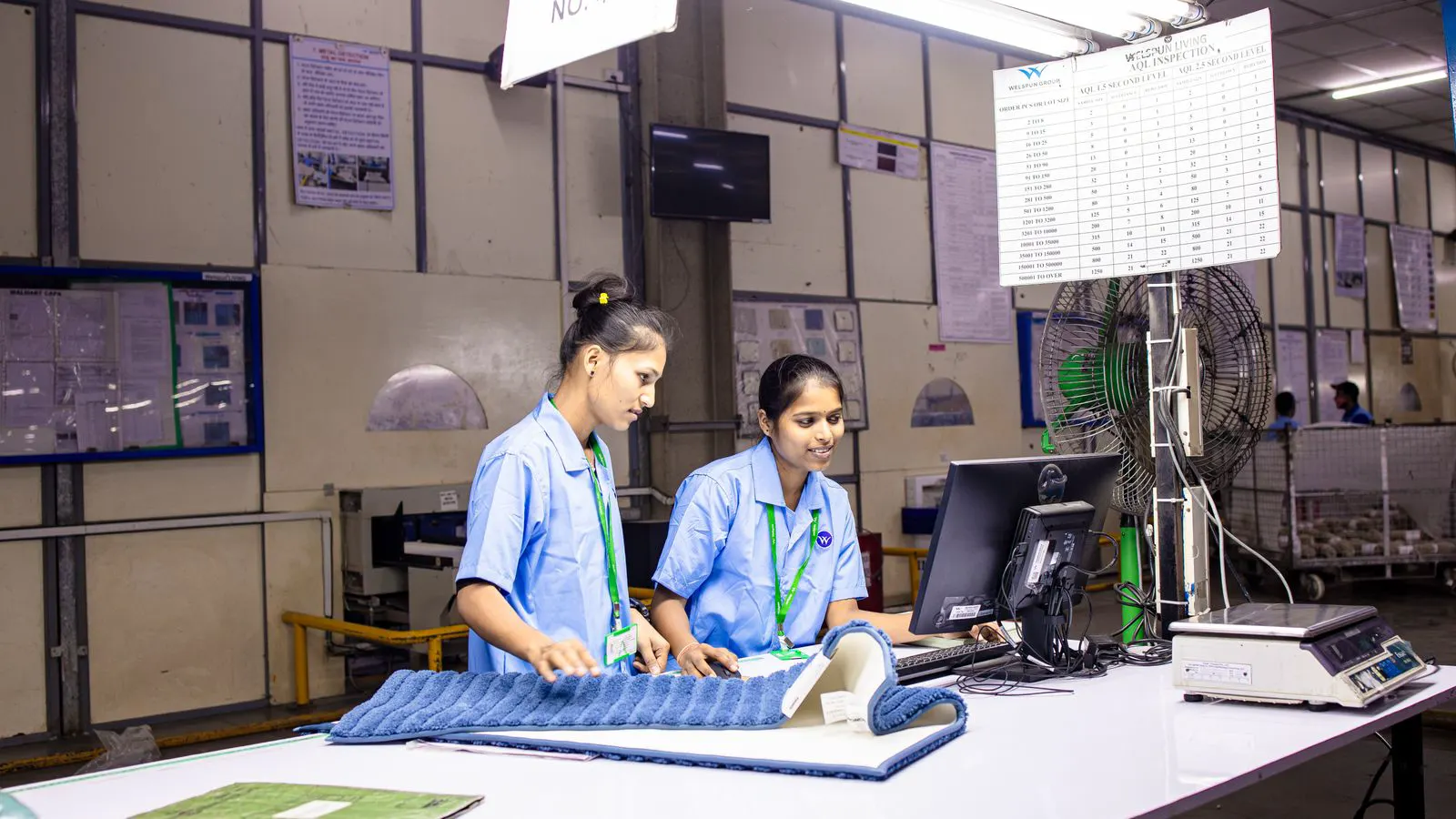
If you are conducting an on-site audit, walk the factory floor. Watch how the cells are handled during the stringing process. Look for signs of physical damage like micro-cracks or broken busbars. Check the automatic optical inspection (AOI) stations. These machines detect defects that the human eye misses. AOI systems use cameras and software to scan each cell for cracks, bubbles, or delamination. If the AOI system is not active on every line, modules with minor defects may pass through to the next stage. These defects can expand over time due to thermal cycling and mechanical stress.
Review the quality control sampling plan. Ask how many modules are tested per lot. A high pass rate on a small sample does not guarantee consistency across a full production run. Look for the statistical process control charts. These graphs show if the manufacturing process is stable over time. SPC charts track variables like solder joint height, cell gap, and encapsulant thickness. If the charts show wide variance, the process is unstable. An unstable process means some modules in the lot may perform significantly worse than the nominal specifications. Ask the supplier to walk you through a recent failure case. How did they identify the root cause? Did they isolate the bad batch and notify customers?
Red flags to watch for:
- No visible AOI stations on the production line.
- Operators manually sorting modules without clear criteria.
- Inconsistent labeling on packaging pallets.
How do you assess supply chain risk in logistics?
Logistics is where many solar projects fail. Ask the supplier about their shipping protocols. Do they use double-stacked pallets or single-stacked? What is the packing material? Ask about the maximum stack height allowed at the destination site. Solar modules are fragile. The glass front and back can crack if the load is uneven or if the pallets are not properly braced. Check the packing materials. Are they rated for humidity and temperature changes during transit? If the modules are shipped to a tropical region, the packaging must prevent condensation inside the enclosure.
Review the Incoterms in the contract. Know exactly who is responsible for the cargo during transit. If the supplier uses third-party freight forwarders, ask for their contact details. You need a direct line to resolve damage claims quickly. If the forwarder is a subcontractor with no direct relationship to the supplier, communication can break down. Ask for the supplier’s standard shipping insurance policy. Does it cover the full value of the shipment, including the cost of replacement modules and labor for installation? If the insurance is limited to the cost of goods only, you are exposed to the cost of downtime and labor.
Red flags to watch for:
- Supplier uses a single freight forwarder with no backup.
- Packing materials are not rated for the expected climate conditions.
- No clear protocol for handling damaged shipments.
What are the financial and legal risks of the supplier?
A financially unstable solar panel supplier will not honor their warranty. Review the supplier’s financial statements if available. Look for high debt levels or rapid expansion without matching revenue growth. Check if the company has a track record of completing large projects. Rapid expansion often means the company is borrowing heavily to fund new production lines. If the debt is high and revenue is not growing, the company may cut corners on quality to save costs. This is a common sign of future financial distress.
Review the warranty terms closely. Is it a product warranty or a performance warranty? How long is the coverage? Who pays for the labor if a module fails? A short warranty period or ambiguous liability clauses are signs of a weak supplier. Product warranties typically cover defects in materials or workmanship. Performance warranties guarantee a certain efficiency level over time. If the warranty excludes common failure modes like delamination or PID, you are not protected against the most likely issues. Ask the supplier for a summary of their warranty claims history. How many claims were denied? What were the reasons?
Red flags to watch for:
- Warranty terms are vague or exclude common failure modes.
- Supplier has no history of honoring claims on past projects.
- High debt-to-equity ratio in financial statements.
How do you structure the audit checklist for your team?
Use the table below to standardize your review. Assign a specific person to verify each item. Do not leave gaps. If an item cannot be verified, mark it as a risk and decide if you can mitigate it or if you should walk away. Assigning a single person to the whole audit creates a bottleneck. Split the work. One person handles technical documents, another handles financial reviews, and a third handles logistics verification. This ensures that each area gets proper attention.
| Audit Category | Key Documents to Review | Red Flag Indicators |
|---|---|---|
| Material Sourcing | Mill certificates, cell lot codes | Generic cells, no traceability |
| Manufacturing Controls | AOI reports, SPC charts | No AOI, manual sorting |
| Logistics | Incoterms, packing specs | Single freight forwarder |
| Financial Health | Financial statements, warranty terms | High debt, vague warranty |
| Legal Compliance | Business registration, standard reports | Entity mismatch, missing reports |
This table is your baseline. Adjust it based on the size of your project. A small installation may not need a full factory audit, but a large commercial project should require one. The goal is to remove uncertainty from the procurement process. For a small residential project, verifying the warranty and checking for lot codes may be sufficient. For a utility-scale project, you need to verify every link in the supply chain. The risk of a single failed batch is too high to ignore.
What are the common mistakes in supplier due diligence?
Many teams skip the on-site visit because the supplier is far away. Use video calls or hire a third-party inspector. Do not assume a factory tour is the same as an audit. A factory tour is a sales event. The supplier will show you the best parts of the plant. An audit is a verification event. You need to see the rejected modules. See how the supplier handles failures. Ask to see the scrap bins. If the scrap is minimal, it may be a sign of high quality. If the scrap is high, the yield is low, and the supplier may be cutting costs by accepting marginal modules.
Another mistake is relying on the supplier’s self-reported data. Always ask for independent third-party test reports. If the supplier provides only internal test data, treat that as unverified. You need external validation to trust the performance claims. Internal test data can be manipulated. A supplier may test a small number of “good” modules and claim the whole lot meets the standard. Independent testing ensures that the entire batch is consistent. Ask the supplier to provide the test reports for the specific lot you are buying, not just the general product line.
Red flags to watch for:
- Supplier refuses on-site or virtual audits.
- Only internal test reports are available.
- Pressure to sign the contract before the audit is complete.
How do you mitigate identified risks?
Once you have identified risks, create a mitigation plan. If the supplier cannot trace their materials, request a sample for independent testing. If the logistics are weak, require the supplier to insure the cargo for the full value. If the financials are shaky, ask for a parent company guarantee or a letter of credit. A letter of credit is a financial instrument that guarantees payment. If the supplier fails to deliver the modules, you can draw on the letter of credit to recover your deposit. This shifts the financial risk from you to the bank.
Document everything. Keep a record of your audit findings, the supplier’s responses, and the mitigation steps taken. This paper trail protects you if a dispute arises later. It also helps your internal stakeholders understand why a specific supplier was selected. If a module fails in the field, you can point to the audit report and show that you identified the risk and took steps to manage it. This creates a defensible position. It also helps you negotiate better terms with the supplier. If you find a red flag, use it as use. Ask for a lower price or better warranty terms in exchange for accepting the risk.
A strong audit process takes time. It is worth the effort. The cost of a defective module is far higher than the cost of a thorough review. Use this checklist to build a defensible procurement decision. Do not skip steps because of time pressure. The pressure to sign the contract often comes from the project schedule, not from the supplier. You control the timeline. Take the time to verify the risks. It is the only way to ensure that the solar panels you install will perform as expected.
Frequently asked questions
What is the minimum sample size for a solar panel audit?
There is no universal minimum. It depends on the project scale. For large orders, test a statistically significant sample of modules. For small orders, test one module from each production lot.
Can I use a third-party inspector for the audit?
Yes. A third-party inspector provides an independent view. This is often more effective than relying on the supplier's own team.
What if the supplier cannot provide independent test reports?
Treat this as a high risk. Do not proceed with a large order until you have independent validation. You can request a sample for testing at a recognized laboratory.
How often should I re-audit a solar panel supplier?
Re-audit after major changes in the supply chain, such as a new factory or new material source. You should also re-audit periodically, at least once a year for long-term contracts.
What is the difference between a product warranty and a performance warranty?
A product warranty covers defects in materials and workmanship. A performance warranty guarantees a certain power output over time. Both are important, but they cover different risks.